
Topics
-
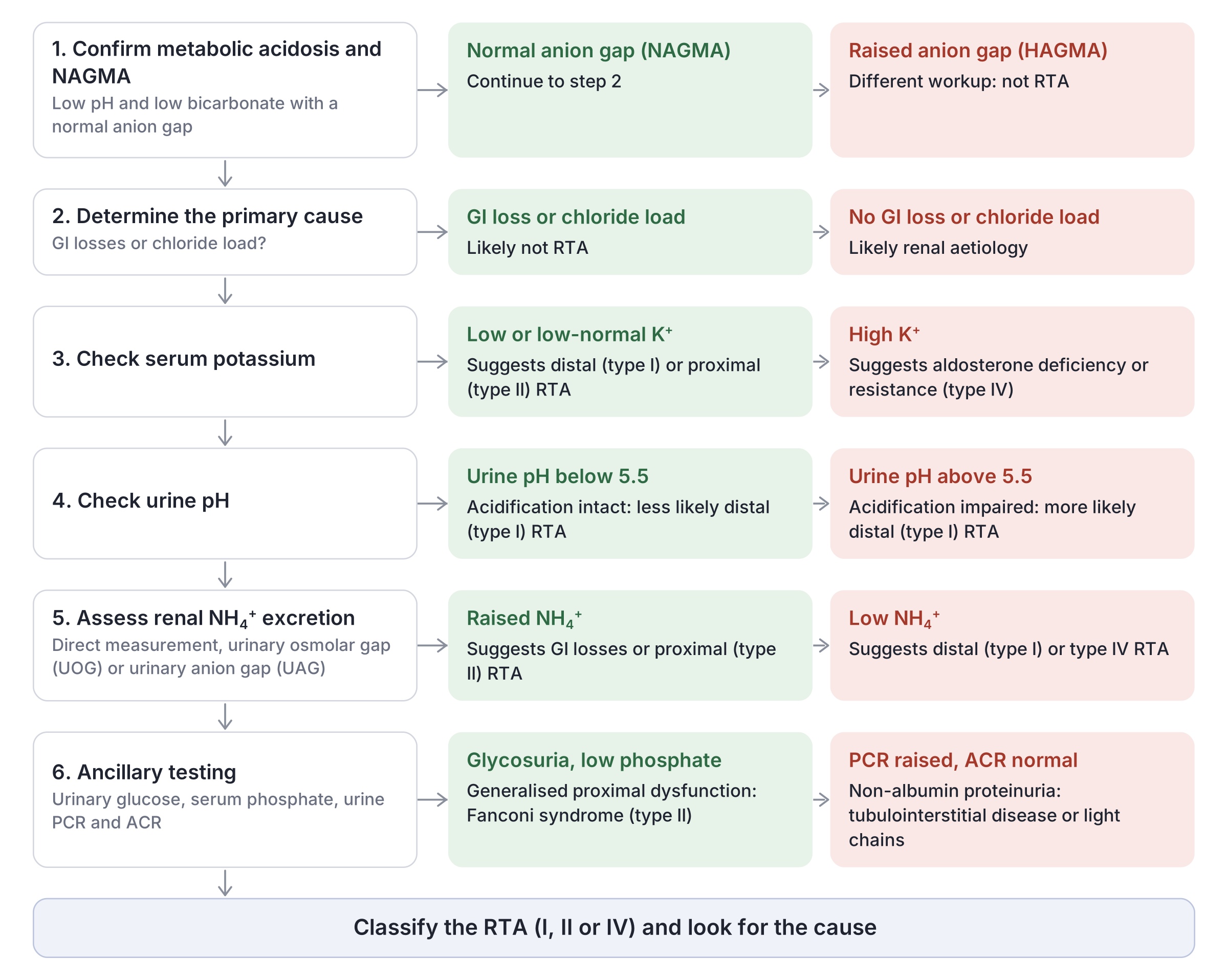
Renal Tubular Acidosis; Physiology & Approach
Case Intro Whilst dawdling to finish the notes on a patient you’ve just seen, one of the nurses asks you to sign an ECG for a patient who’s just arrived. You go to talk to the 47 year old female patient. She has been feeling increasingly weak and tired over the past few weeks, as…
-

Autonomic and Reflexive Control of Circulation
Overview of autonomic control The afferent nerves are shared by both the sympathetic and parasympathetic branches of the autonomic nervous system; the glossopharyngeal (CN IX) and vagal (CN X) nerves receive information from baroreceptors, chemoreceptors, and cardiopulmonary receptors regarding blood pressure. These afferent nerves both communicate to a central area – the nucleus tractus solitarius…
-
Circulation
The two circulations in the body are the pulmonary and systemic circulations. The right side of the heart delivers blood to the pulmonary circulation, to partake in gas exchange. The left side of the heart delivers oxygenated blood onto the rest of the body. The human body has approximately 65-75ml/kg of blood, depending on whether…